
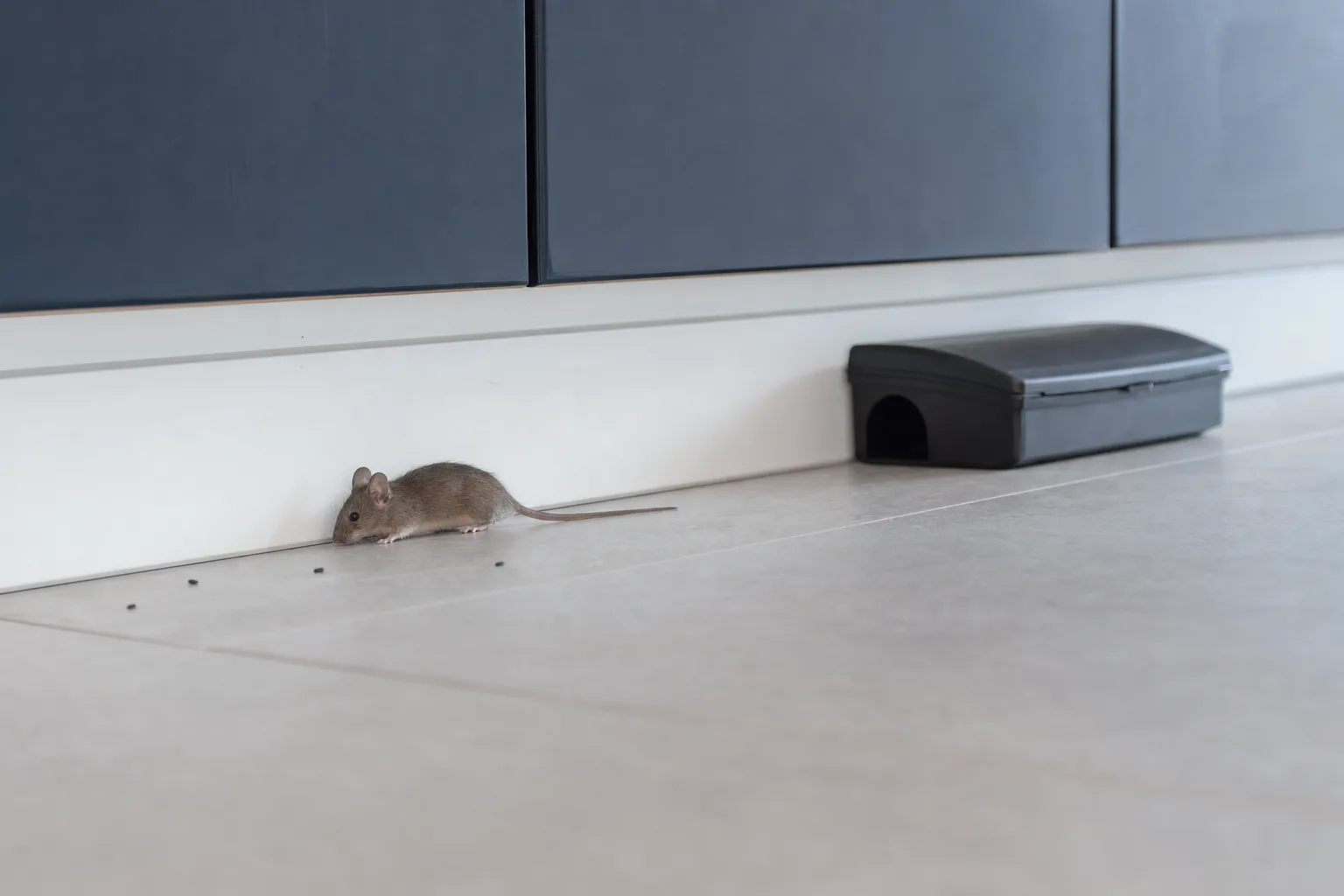
Updated: October 2026
How do you spot mice in your home and in the walls?
The house mouse (Mus musculus) is about 7–10 cm long, plus a tail of similar length, and it squeezes through a gap about 6–7 mm wide — roughly the thickness of a pencil. It is active mainly at night, so mice in a home usually give themselves away through noises and droppings rather than by being seen.
Mice in the home in the fall, usually from October to December, are a typical seasonal problem, especially in single-family houses outside Warsaw, near fields and allotment gardens. Mice in the attic and garage often go unnoticed for weeks, until the noise moves into the walls and the kitchen. In apartment buildings they usually get in through basements, garbage chutes and utility shafts.
Mouse or rat?
- Rat — large droppings, about 1–2 cm, in clusters; burrows by the foundations and traces in the basement. See rat control.
- Marten — loud thumping and noise in the attic, droppings with bits of fruit — that’s not mice, it’s most likely a marten.
- Vole — in gardens and around summer cottages; it sometimes gets into sheds, but rarely into homes.
- Not sure? — send us a photo of the droppings on WhatsApp — the size usually settles it.
What are the risks of having mice at home?
Mice contaminate food with their droppings and urine and can carry diseases, including salmonellosis, and their droppings and fur can be strong allergens. They also chew electrical wiring, insulation and thermal insulation — mice in the walls or attic mean not just noise, but a real risk of short circuits and costly repairs.
What matters most, though, is how fast they multiply. A mouse pregnancy lasts about 19–21 days, a litter is usually 5–10 young, and the young can breed themselves after only about 6 weeks. In a warm home with access to food, a few mice that got in during the fall can turn into dozens by spring.
That’s why it’s not worth waiting for them to “leave on their own.” In winter, mice don’t leave a warm building, and every week of delay means more nests in hard-to-reach places — in the insulation, under the floor or behind kitchen cabinets — and a longer rodent control process.
- Gestation
- about 19–21 days
- Young per litter
- usually 5–10
- Sexual maturity
- about 6 weeks
- Gap it can squeeze through
- about 6–7 mm
How to get rid of mice in your home — rodent control step by step
Mice feed a little at a time in many places and rarely stray far from the nest, so a dense, well-placed network of bait stations matters more than the amount of poison. Traps alone help with one or two mice, but with a nest in a wall or ceiling they usually can’t keep up with how fast mice breed.
We use only rodenticides and biocides authorized for sale in Poland and the EU, as ready-made baits in lockable bait stations. Anticoagulant baits work with a delay of a few days, so mice don’t learn to avoid them. In kitchens and food-service premises, where poison isn’t advisable, we combine bait stations with mechanical traps and monitoring. We cover the myths about home remedies in our article rat poisons — facts and myths.
- Initial visit and inspectionWe look for droppings, nests and entry points — gaps around pipes, vent grilles and garage doors.
- Placing the bait stationsLockable bait stations and, if needed, traps — along walls, behind built-in cabinets, in the attic, in the garage.
- Station mapWe record the station locations and the products used.
- Follow-up visitsEvery 7–14 days we check how much bait has been taken, top up the bait and remove dead rodents.
- Sealing and recommendationsWe show you what to seal or cover with mesh so the mice don’t come back next fall.
How long does mouse control take, and how many visits are needed?
Usually an initial visit and 2–3 follow-up visits every 7–14 days, so about 3–6 weeks. Anticoagulant bait works with a delay of a few days, and young mice that leave the nest during this time only start feeding after a few weeks — the follow-up checks let us catch them before they start breeding themselves at about 6 weeks.
With only a few mice in a garage or summer cottage, a shorter series is sometimes enough. With mice in the walls, ceiling or attic, in an older house with many gaps, or in premises that handle food, more follow-up checks may be needed. We finish when the bait stops disappearing and no new droppings appear.
How to prepare your apartment or house for rodent control
- Move grains, pasta, cereal and pet food into airtight jars or hard containers.
- Don’t leave cat food in the bowl overnight, and take out the trash every day.
- Don’t clean up the droppings before the visit — they show us where the mice travel. Afterwards, clean up wearing gloves, with a damp cloth, and don’t dry-sweep.
- Don’t put out loose poison of your own — it’s dangerous for cats and children, and it makes it harder to judge how much bait is being taken.
- Make sure we can get to the kitchen cabinets, the space behind the fridge, the attic and the garage.
What to do after the bait stations are placed
- Don’t move or open the stations — we’ll reposition them ourselves at the follow-up check if needed.
- Note where you see new droppings or hear scratching.
- Pick up dead mice wearing gloves, put them in a double bag and let us know.
- When the series is over, seal the gaps we pointed out (steel mesh, sealant, brush strips under the garage door).
- In the fall, when mice look for warmth, check the basement, garage and attic — mice spotted early mean a shorter rodent control process.
How much does mouse control cost for an apartment or house?
The price depends on the type of property, its floor area, and the number of bait stations and follow-up visits. We give you the price before we arrive.
| Studio apartmentinitial visit + follow-up checks | quote before the visit |
|---|---|
| 2–3 room apartment | quote before the visit |
| House (with garage and attic) | quote before the visit |
| Commercial space / business | custom quote |
For comparison: according to kb.pl, the average cost of mouse control in Warsaw is about PLN 389 including VAT.
Guarantee — will the mice come back?
Mice can come back, especially in the fall, if gaps in the building were left unsealed and there are fields, allotment gardens or neighbors with the same problem nearby — that’s why we don’t promise they’ll never appear again. If you see new signs after the series is complete, call us — at the next visit we’ll find out how they got in and show you what else needs to be sealed off.
Customer reviews
Average company rating: 5.0 / 5 from 145 reviews (Google 93, Oferteo 37, Fixly 15). The reviews come from the company’s profiles on these sites. All reviews
Frequently asked questions about mice and rodent control
How do I get rid of mice in my home?
The most effective way is to combine three things: lockable bait stations along the mice’s routes, cutting off access to food, and sealing the gaps they use to get in. Poison alone, without sealing, usually works only until the next fall.
Why do mice come into homes in the fall?
When it gets cold and fields and gardens empty out, mice look for warm shelter and food. They get in through gaps around pipes, vent grilles and garage doors — about 6–7 mm is enough for them.
How can I tell if there are mice in the walls?
By scratching and scuffling at night inside drywall walls or the ceiling, small droppings near baseboards and outlets, and the smell of urine in closed cabinets.
Are traps enough?
With one or two mice, often yes. With a nest in a wall, attic or garage, traps usually can’t keep up with how fast mice breed — then you need bait stations and follow-up checks.
Is the poison safe for my cat?
The poison itself isn’t safe, which is why we place it only in lockable bait stations that a cat can’t get into. If you suspect your cat has eaten bait or a poisoned mouse, go to the vet right away.
How much does rodent control for an apartment cost?
It depends on the floor area and the number of bait stations and follow-up visits — we give you a free quote before we arrive. According to kb.pl, the average cost of mouse control in Warsaw is about PLN 389 including VAT.
Will the mice come back?
They can, if gaps in the building are left open. After the rodent control treatment we show you the spots to seal, and if mice appear again, we come out to find the cause.
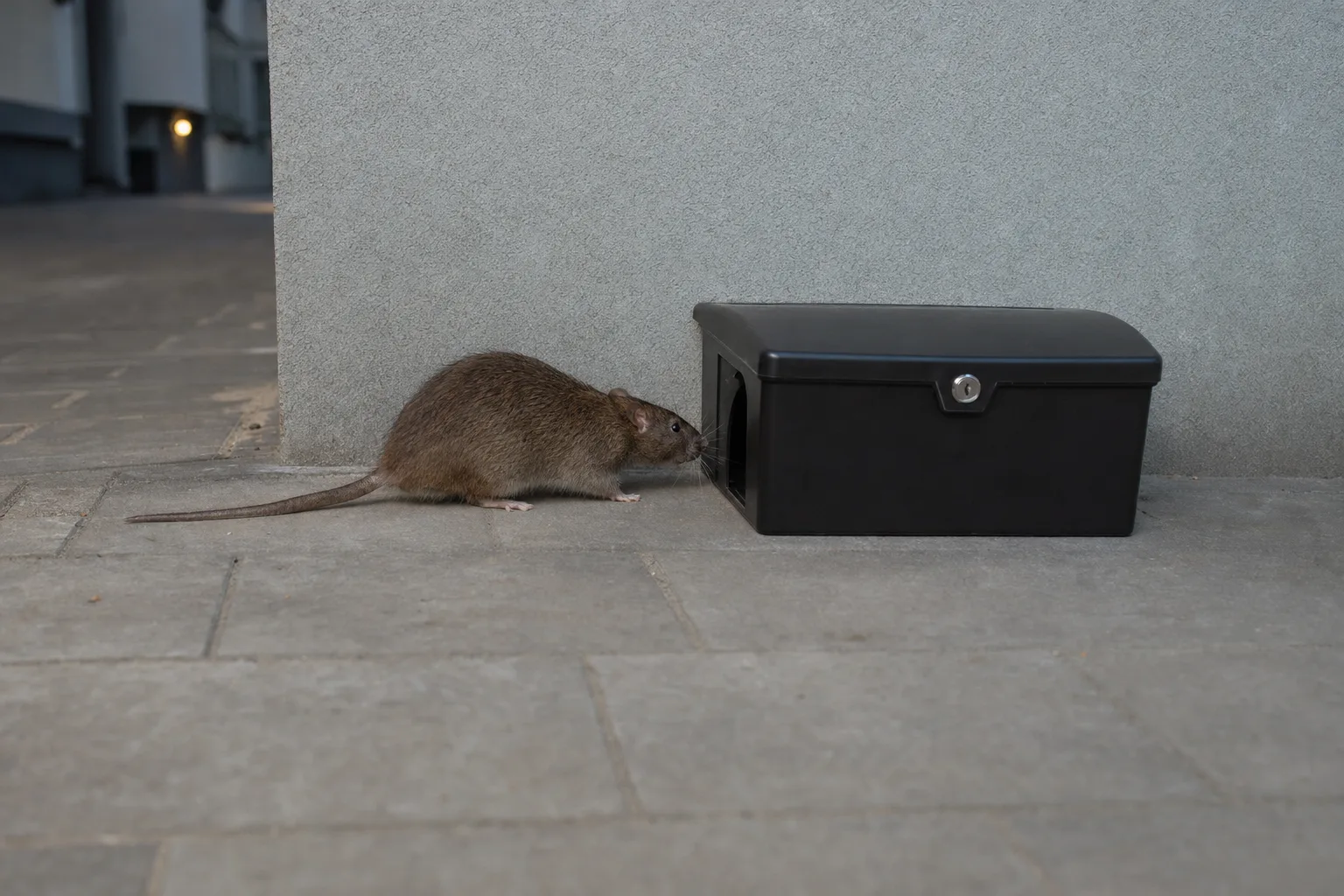 Rats
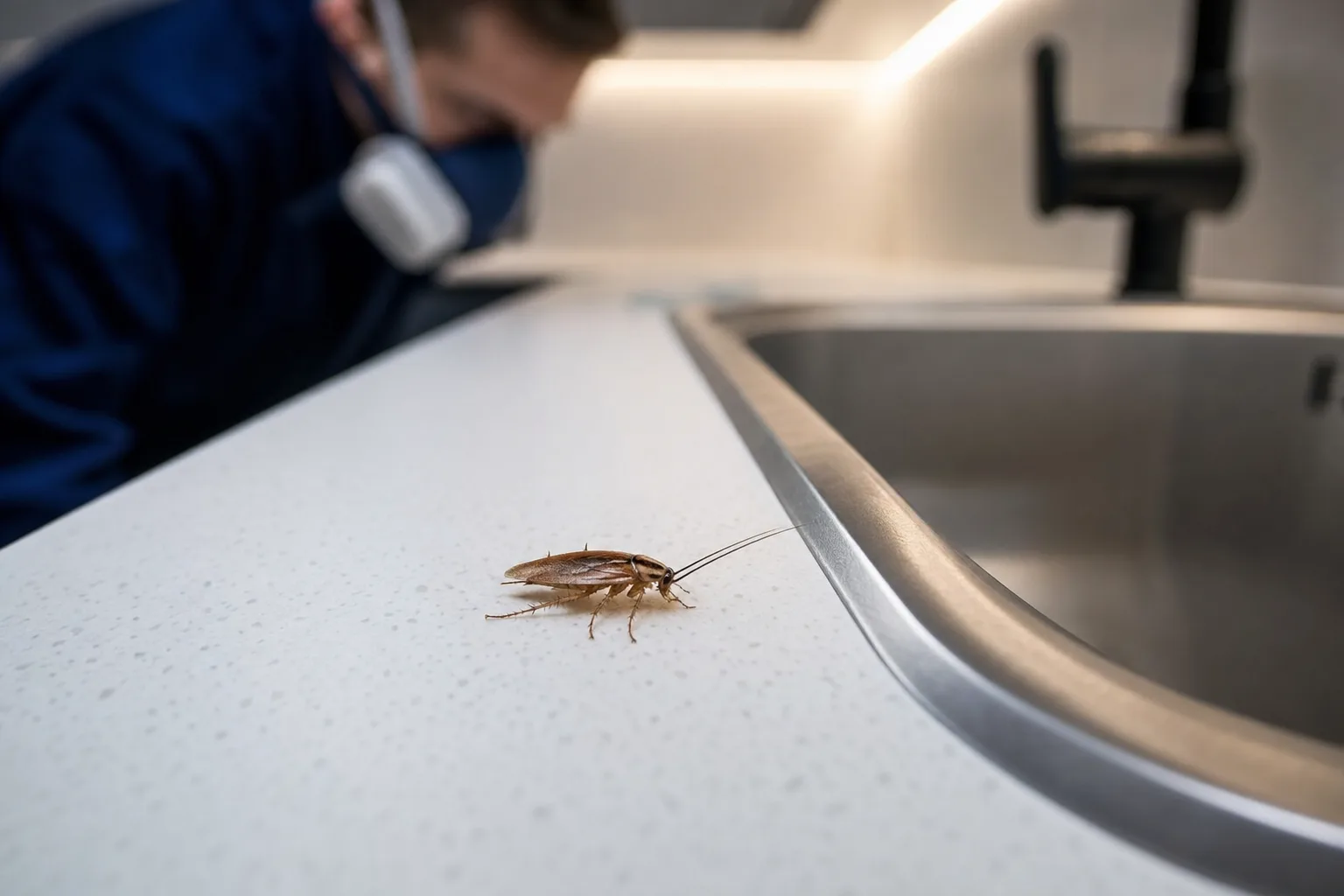 German and Oriental cockroaches
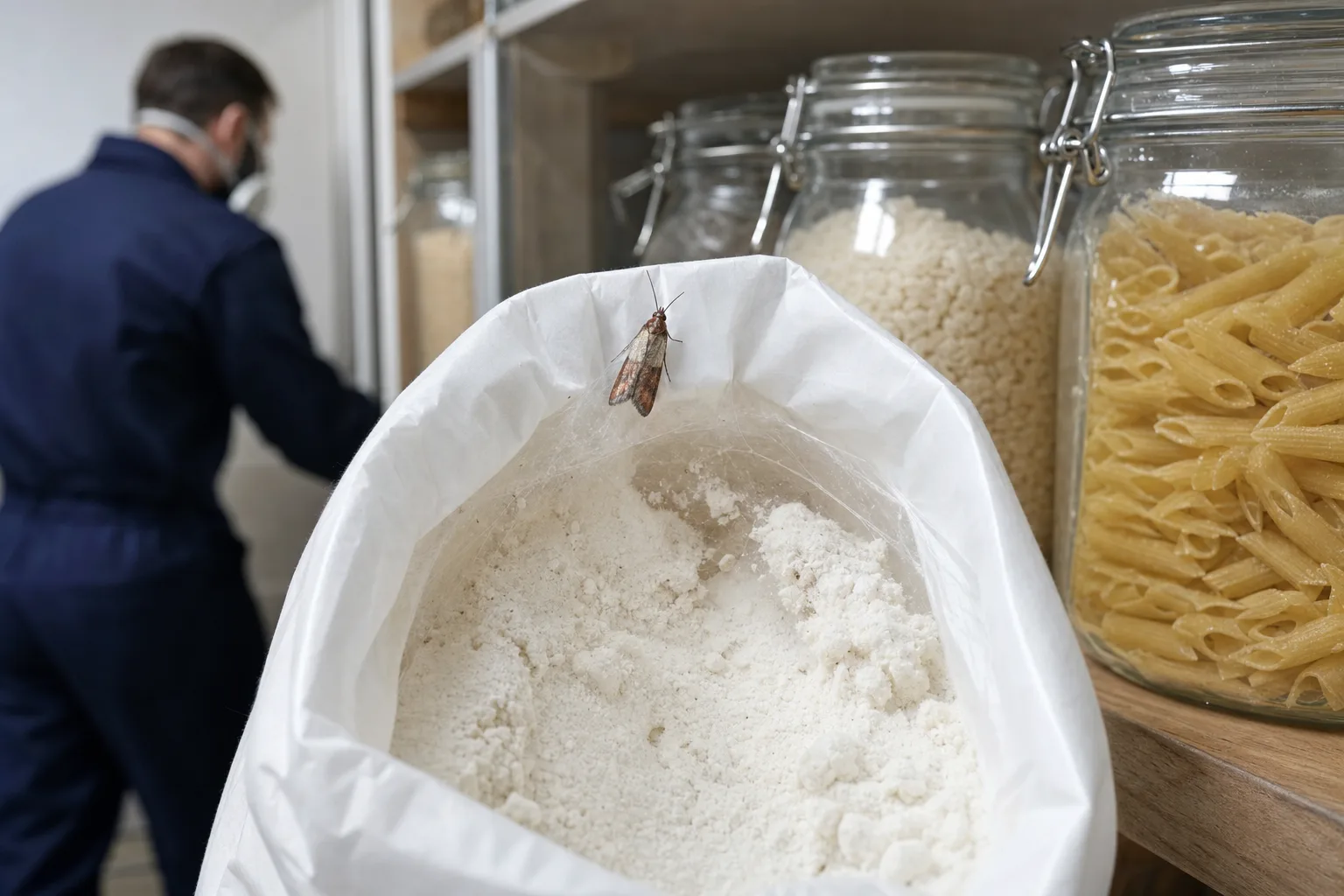 Moths